Floral Corner Design with Roses and
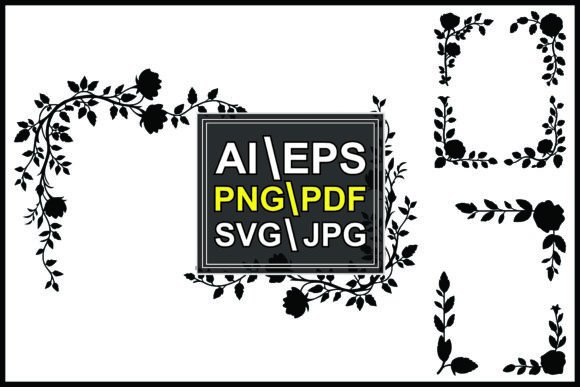
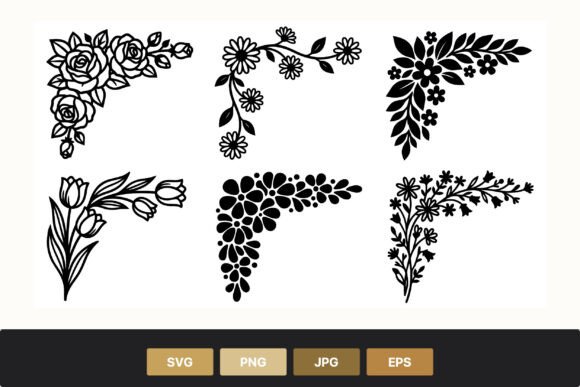
When I sit down to evaluate a new machine embroidery design, my first instinct is always practical: does this actually work on fabric? Digital previews are clean, vector lines are sharp, but once that embroidery file hits the hoop, things change. That is why I treat every review as a pre-production stress test. Today, I am looking at the Floral Corner Design with Roses and, a set of six black and white floral corner designs featuring roses, daisies, tulips, and stylized flowers with leaves in various arrangements and styles. The download package is provided as a compressed archive, which is standard, but the real question remains: how does this translate from a graphic asset into a tangible, sellable product?
First Impressions and Visual Mood
The immediate aesthetic of the Floral Corner Design with Roses and is one of classic elegance mixed with approachable charm. Because it relies on a black and white palette in its source illustration, it offers incredible versatility for thread color choices. The layout is distinctly corner-based, meaning it is designed to frame rather than dominate. This creates a sophisticated look that feels intentional, not accidental.
As an illustrator and designer, I appreciate that the set includes a variety of blooms—roses, daisies, and tulips. This variety prevents visual monotony if you are creating a collection. The stylized nature of the flowers suggests they will stitch cleanly, avoiding the muddy results that often plague overly intricate photorealistic attempts in smaller hoop sizes. It feels like a design meant to whisper rather than shout, perfect for brands that value subtlety and refined taste.
Real-World Application: From Screen to Stitch
Let’s talk about where this design truly shines. I recently considered using this for a custom embroidered tote bag project intended for a local boutique client. The corner placement is ideal for tote bags because it sits neatly near the handle attachment point or along the bottom hem without interfering with the bag’s structural integrity or the main message of the bag.
However, the applications go far beyond simple totes. Here is how I see this embroidery project fitting into various market categories:
- Custom Apparel: On a sweatshirt or t-shirt, placing these corners on the chest area or the sleeve cuff adds a touch of personality without overwhelming the garment. It works particularly well for layered looks, such as a denim jacket adorned with multiple small corner motifs.
- Baby Items: For baby clothes or blankets, the softness of the daisy and rose motifs translates beautifully. Parents love personalized gifts, and a subtle floral corner on a receiving blanket feels timeless and gender-neutral, especially when stitched in soft pastels or crisp white thread on grey fabric.
- Kitchen and Home Decor: Tea towels and aprons are natural homes for corner designs. The "kitchen towel" demographic loves functional art. A set of four matching towels, each with a different floral corner from this set, creates a cohesive brand presence for a handmade shop.
- Holiday Embroidery: While not explicitly seasonal, the classic nature of roses makes this suitable for wedding gifts or anniversary presents. Imagine a monogrammed pillow cover where the initials are centered, and these floral corners frame the edges.
For the Etsy seller or small business owner, this design is a goldmine for creating bundles. You can offer a "Cafe Set" (apron + tea towel) or a "Nursery Bundle" (bib + blanket) using the same visual language across different products.
Technical Considerations and Fabric Interactions
No design is perfect for every surface. As we move into the technical evaluation, there are specific scenarios where the Floral Corner Design with Roses and requires careful handling. The black and white line art implies high contrast, which is great for visibility, but it demands the right thread selection.
If you plan to use this on dark fabric, you must ensure your underlay stitches are sufficient to prevent the base fabric from showing through, especially if you are using lighter colored threads for the fill areas. Conversely, on light fabrics, using black thread for outlines can create a striking, graphic look similar to a stamp, but it may feel too harsh for delicate items like silk scarves.
Be mindful of the stitch density. While the description highlights stylized flowers, some of the leaf details might be quite fine. If you are stitching this on a textured fabric like heavy canvas or a thick fleece, those tiny details may get lost. In such cases, I recommend simplifying the design by removing the finest running stitch elements or opting for a thicker thread weight to maintain clarity.
Where to Use With Caution
There are certain products where this design might struggle:
- Caps and Hats: The curved surface of a baseball cap can distort corner geometries. Unless the design is specifically digitized for a curved hoop, the perspective might look skewed when viewed from the front.
- Small Hoop Sizes: If the design files are large relative to the smallest available hoop size, you may face alignment issues. Always check the hoop size requirements before committing to small accessories like hair bows or small patches.
- Stretchy Fabrics: Knits require significant stabilizer support. Without proper backing, the tension of the satin stitch outlines could pucker the fabric, ruining the clean lines of the floral arrangement.
Impact on Brand Value and Customer Trust
In the world of handmade products, presentation is everything. A well-executed finished product signals professionalism. When a customer receives a personalized gift with crisp, clear embroidery, their trust in the maker increases. They assume that if the embroidery is good, the overall quality of the item is high.
The Floral Corner Design with Roses and supports this perception. Its balanced composition suggests thoughtfulness. It doesn’t look like a clip-art stamp slapped onto a shirt; it looks like a deliberate design choice. This elevates the perceived value of the item, allowing you to price your handmade product higher because it appears more bespoke and polished.
Furthermore, the versatility of the set allows for brand consistency. If you run a craft business selling kitchen goods, having a recognizable floral motif across your entire inventory helps customers identify your brand instantly. It becomes part of your visual identity, much like a logo, but softer and more decorative.
Practical Designer Notes for Implementation
Before you upload this to your machine, here is my checklist for success:
- Test on Scrap Fabric: Never rush into the final piece. Stitch the design on a scrap of the exact fabric you intend to use. This reveals how the fabric texture interacts with the thread.
- Check Thread Color Contrast: Since the source is black and white, experiment with thread colors. Try a tonal approach (white thread on cream fabric) for elegance, or high contrast (navy on white) for a nautical or classic look.
- Inspect Small Details: Zoom in on the digital preview. Are the petals distinct? Will the center of the flower become a tangled mess of fill stitch? If so, consider adding a few strategic cut-outs or simplifying the digitization.
- Confirm Licensing: Ensure you have the correct license for commercial embroidery if you plan to sell the finished items. Most digital embroidery file purchases allow for limited commercial use, but always verify the terms.
- Create Printable Mockups: Before sewing, place the design on digital mockups of tote bags or aprons. This helps you visualize the scale and placement, ensuring it fits the product’s proportions correctly.
In conclusion, the Floral Corner Design with Roses and is a strong, versatile addition to any embroiderer’s library. It bridges the gap between traditional botanical beauty and modern minimalist layout. By paying attention to fabric choice, thread contrast, and stabilization, you can transform this graphics asset into a stunning handmade product that resonates with buyers and stands out in a crowded marketplace.